

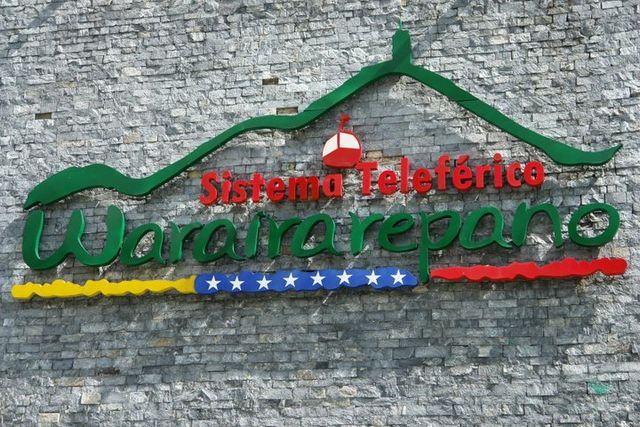
The Caracas cable car — Warairarepano, also called Ávila Mágica — climbs from the city up to the ridge of El Ávila National Park, the mountain that separates Caracas from the Caribbean. It is the reason you can be in the city at ten and in cloud forest at half past.
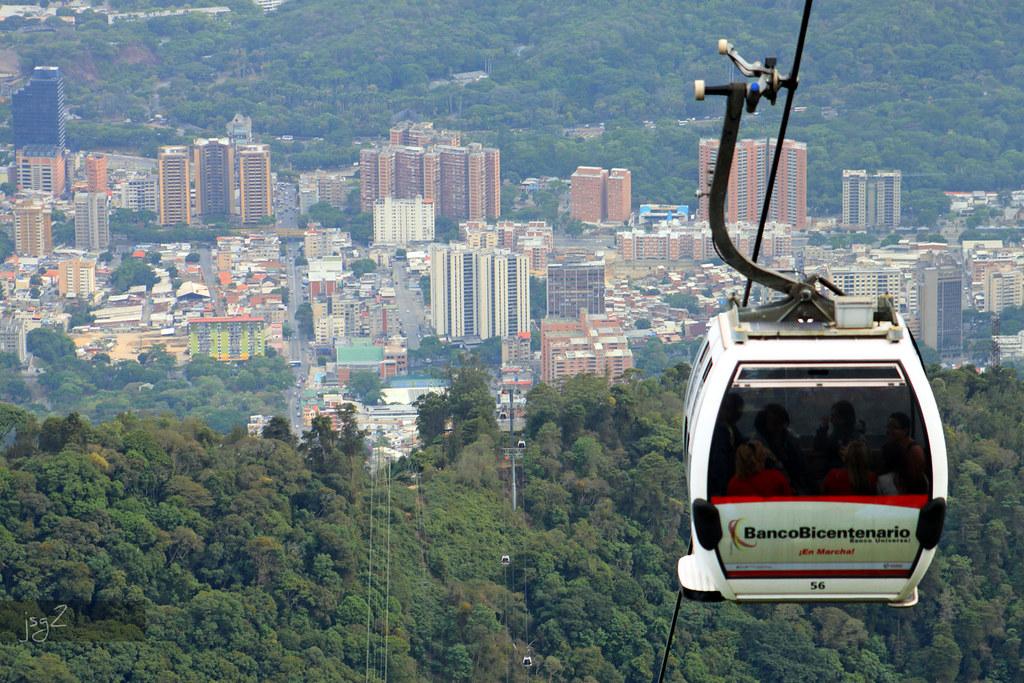
The route
The base station is at Maripérez, inside Caracas, and the line climbs directly to the summit station on the ridge, at around 2,100 metres. The ride is short — the mountain rises almost vertically behind the city — and the view changes completely on the way: the city grid below on one side, and, once you are over the top, the coast on the other.
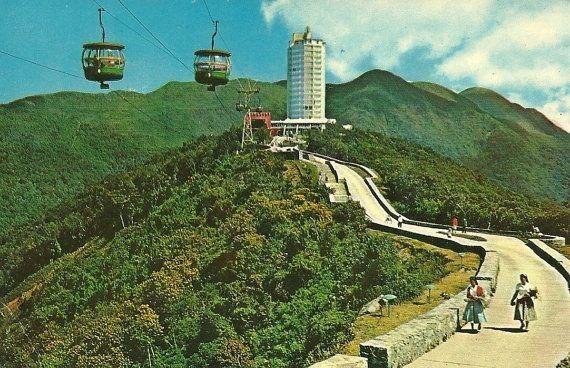
At the summit there are viewpoints, walking paths, food stalls and the historic hotel of the massif. It is a day out that needs no planning beyond checking it is open.
Warairarepano and Ávila-Macuto are not the same line
This confuses people. The Caracas cable car goes up from Maripérez, on the city side. The Ávila-Macuto section runs down the northern side of the mountain to the coast at Macuto, in La Guaira state — the state that was called Vargas until 2019. They are different sections and they have not always been in service at the same time. Check what is running before assuming you can cross the mountain from Caracas to the sea in one go.
History
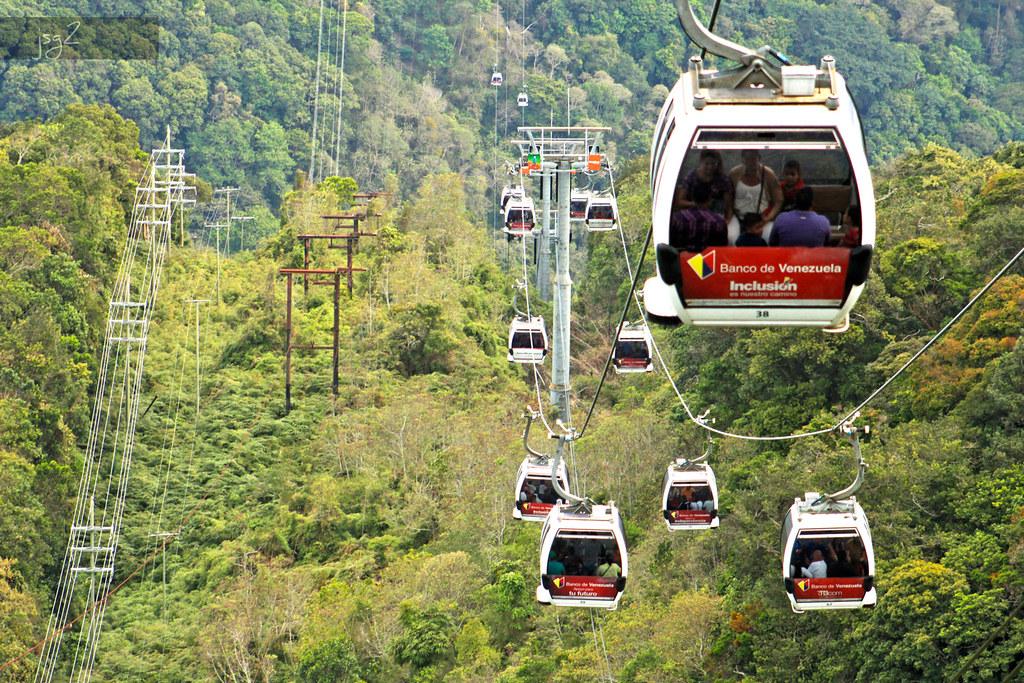
The cable car opened on 19 April 1956, built to give the city access to its own mountain. The engineering problem was the terrain: El Ávila rises steeply straight out of the urban area, which is exactly what makes the line short and the gradient severe.
It has been through several closures and refurbishments over the decades, and it reopened under the name Warairarepano — the Indigenous name of the mountain. It remains one of the recognisable images of Caracas.
Practical rules
- Ticket. Bought at the booth at the base station; keep it to hand.
- Capacity. The cabins have weight and passenger limits, and staff decide how people are distributed. This is not negotiable.
- Prohibited items. The usual list — weapons, sharp objects, flammables.
- Weather. The service can stop for wind or storms. It is a mountain, not a lift.
Weekends are the busy window; midweek queues are short and some of the summit businesses close.
Getting to the base station
Public transport. Metro or bus to the nearest stop and then a taxi to Maripérez, which is the base station.
Taxi or car. Direct to Maripérez. There is parking at and around the station.
On a tour. Several Caracas operators include the cable car in half-day itineraries with transport.
Take a jacket
The summit is around a thousand metres above the city and it is markedly colder, often in cloud and often wet. People arrive in short sleeves and regret it. That temperature difference is half of why the trip is worth making.
Where it fits
The cable car is one way into El Ávila National Park; the other is walking up from the city, which is what most people in Caracas actually do. The context of the range is in the Cordillera de la Costa, and the wider frame in the national parks of Venezuela.