

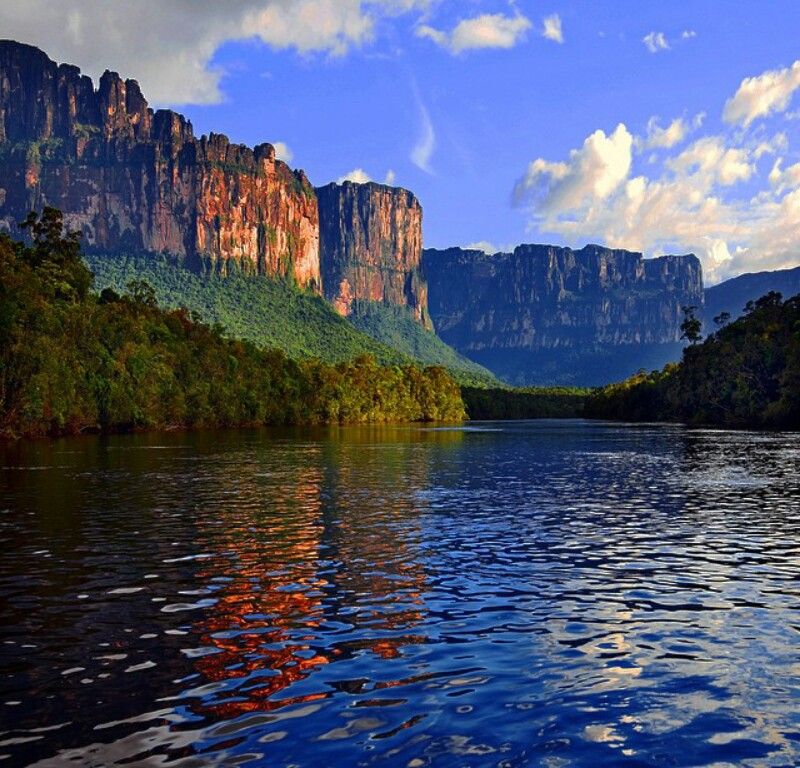
Venezuela has 43 national parks and 36 natural monuments under the protection of the National Parks Institute (INPARQUES). Between them they cover 21.76% of the country’s territory and most of its landscapes: the Caribbean cays, the Andean summits, the tepuis of Guayana and the forest of the Orinoco basin. This guide sorts out which ones actually get visited and what each one offers.
Who declares them and who runs them
National park status is approved by decree and responds to criteria of ecological value, singularity of landscape and the need to protect specific species or ecosystems. Management and enforcement fall to INPARQUES, which sets the rules of use for each area: where you can travel, where you can anchor, which activities are allowed and which zones are closed.
Those rules are not bureaucracy: in several coastal parks they are the only thing holding up the reef and the nesting areas.
The five most visited
Canaima
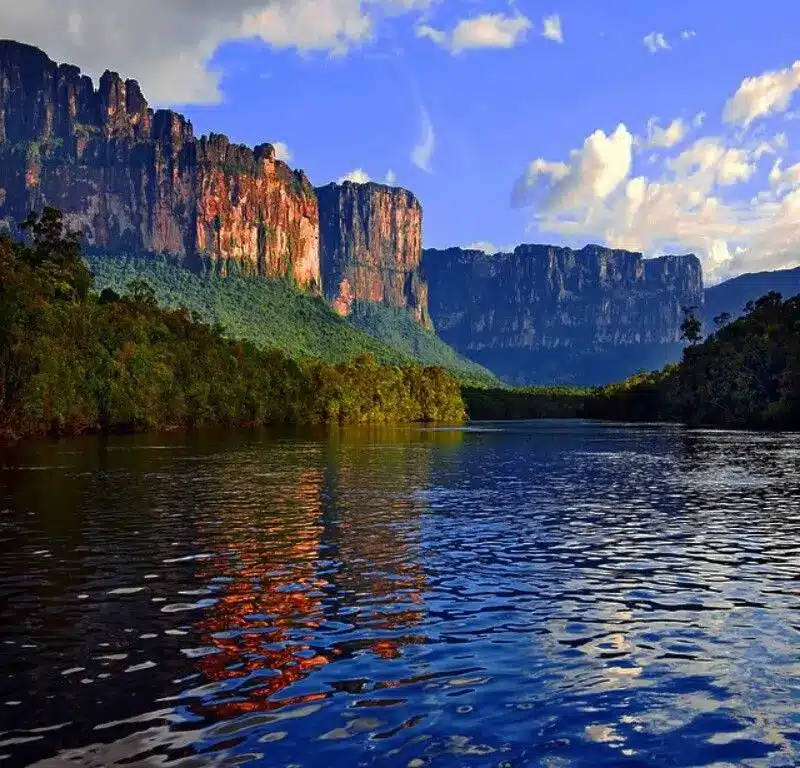
The largest and the most recognisable. In Bolívar state, it holds Angel Falls — 979 m, the highest in the world — La Gran Sabana and Roraima. Full guide: Canaima National Park.
Morrocoy
Sand cays and mangrove off the coast of Falcón, reached by boat from Tucacas and Chichiriviche. It is the marine park easiest to reach by road. See the Morrocoy cays and the park in full.
Henri Pittier
The oldest national park in Venezuela, in the Cordillera de la Costa. It drops from cloud forest to the beaches of Choroní. Detail in Henri Pittier.
Sierra Nevada
The highest summits in the country, with Pico Bolívar (4,978 m) and Pico Humboldt. Base in Mérida. See Sierra Nevada.
Mochima
Islands and beaches between Sucre and Anzoátegui, with the mountains dropping onto the Caribbean. See Mochima.
The marine parks
Besides Morrocoy and Mochima, protection of the Venezuelan Caribbean includes the Los Roques archipelago — the largest marine park in the country — and the Orinoco Delta, which protects the maze of channels where the river opens into the Atlantic.
The mountain parks
- El Ávila (Waraira Repano), the mountain of Caracas.
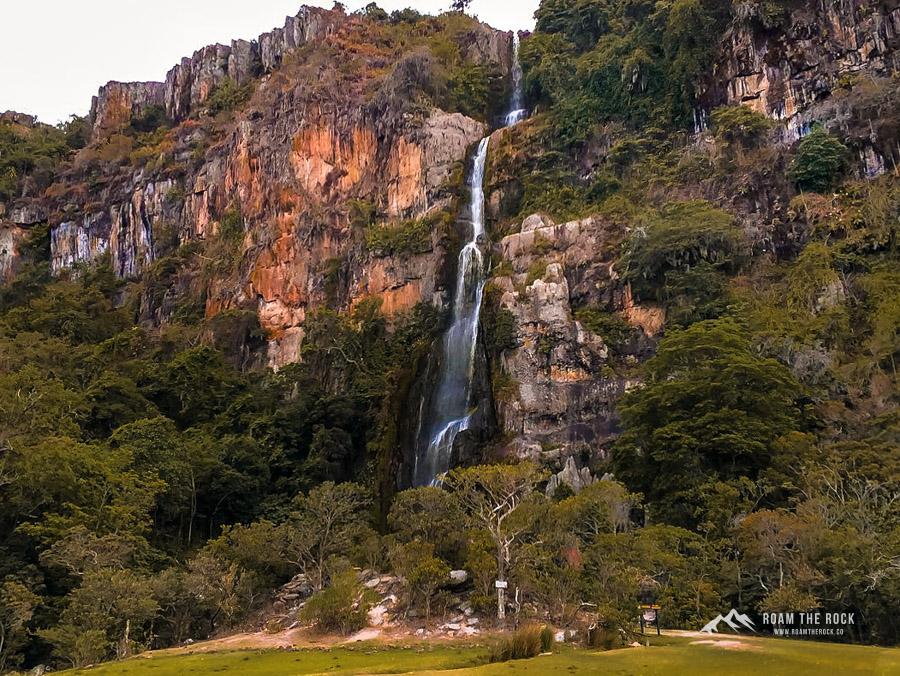
- Dinira, between Lara, Trujillo and Portuguesa, with páramo and waterfalls.
- El Tamá and General Juan Pablo Peñaloza, on the Andean border with Colombia.
- Guaramacal and El Guache, cloud forests of the Andean foothills.
- Guatopo, humid forest a short distance from Caracas.
- Cerro Saroche and Cerro El Copey, the latter on Margarita island itself.
And the ones almost nobody names
The full list also includes Aguaro-Guariquito in the plains, Chorro El Indio, Cueva de la Quebrada del Toro, J.J. Baldó (La Llovizna), Juan Crisóstomo Falcón and Laguna de Tacarigua, among others. These are parks with less tourist infrastructure and much more local visitors.
How to choose
- If it is your first trip and you want the landscape that only exists here: Canaima.
- If you are going to the beach with simple logistics: Morrocoy. If you accept a light aircraft: Los Roques.
- If you are going to the mountains: Sierra Nevada, based in Mérida.
- If you have little time from Caracas: El Ávila or Henri Pittier.
To place the parks within the country as a whole, the travel in Venezuela guide sorts them by region, and the index of Venezuelan destinations gathers all the guides.