

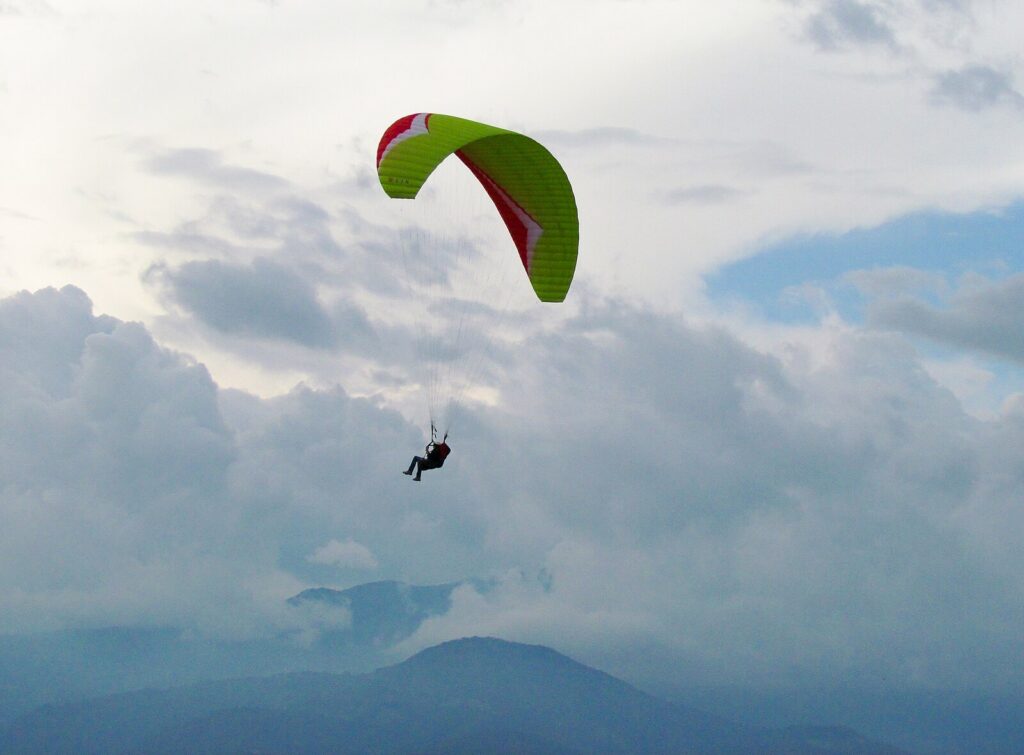
Mérida is where you fly in Venezuela. The city sits at 1,600 metres with the Andes on both sides, and the combination that paraglider pilots come for is unusually generous: high launch sites, wide valleys to work, and thermals that build almost every morning of the dry season.
The main launch is Tierra Negra, on the slopes above the Chama valley, and it turns up regularly on lists of the best flying sites in the world. You do not need any experience to use it: the standard way in is a tandem flight with an instructor.
Why the geography works
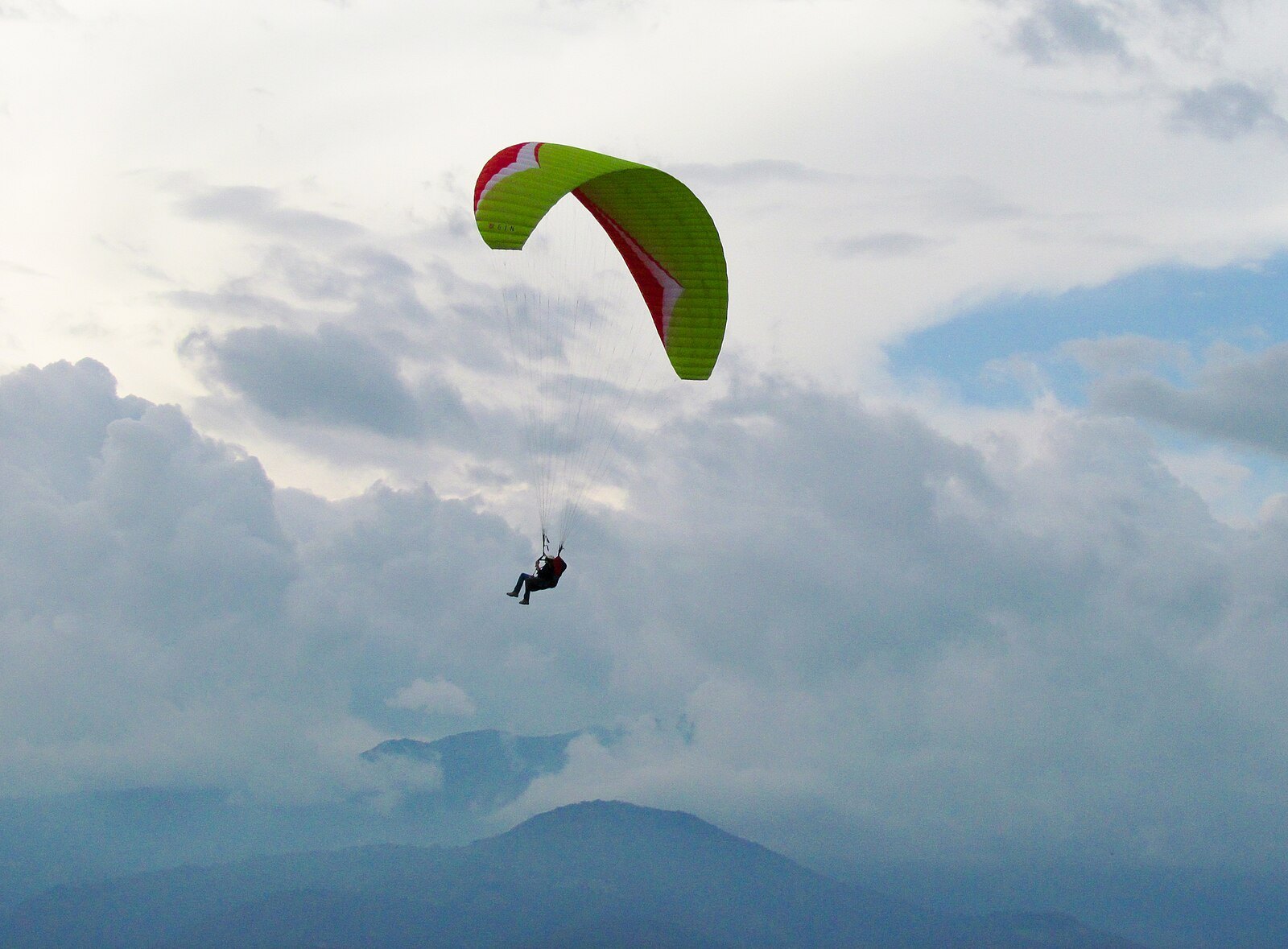
Paragliding needs two things: somewhere high to launch from, and rising air to stay up in. Mérida has both by accident of terrain.
The launches sit hundreds of metres above a valley floor that heats up through the morning, which sends air up the slopes in reliable columns. The valleys are wide enough to turn in and long enough to go somewhere. And because the whole system is at altitude, the air is cool even when the ground is warm — you are not flying in Caribbean heat.
The trade-off is that the same sun that builds the thermals builds the cloud. By early afternoon conditions can shut down or turn rough. That is why flying here is a morning activity.
The tandem flight
This is what almost every visitor does, and it needs nothing from you but the willingness to run a few steps off a slope.
- How long. Typically 30 to 40 minutes in the air, depending on conditions. If the thermals are working you stay up longer; if they are not, it is a glide down.
- When. Operators generally run two windows, morning and mid-afternoon. The morning one is the safer bet.
- The launch. You are strapped in front of the pilot and you run downhill until the wing takes the weight. It takes about four steps and it is over before you have decided how you feel about it.
- The landing. On your feet in a field, usually with a short jog.
- What to wear. Closed shoes with grip, long trousers, a jacket — it is colder up there than on the ground — and sunglasses. Anything in your pockets that can fall out, leave behind.
When to go
The dry season, roughly December to March, gives the most consistent flying: clearer mornings, better-defined thermals and fewer cancellations. In the wet season the cloud sits lower and flights get called off more often.
Whatever the month, build slack into the plan. Paragliding is weather-dependent everywhere and a responsible operator will cancel rather than fly a marginal day. If you have one afternoon in Mérida and a flight is the whole point of it, you may not get it. Two or three days in the city gives you a proper chance.
How it is arranged
Flights are booked in Mérida city, where the operators and the pilots are based, and transport up to the launch is normally included. It is the same ecosystem that runs the mountain guiding for Pico Bolívar and the páramo trips, so the agencies overlap.
Two things worth confirming before you pay: that the pilot is currently certified, and what happens to your money if the weather cancels.
The insurance point
This one catches people out and it is worth reading before you book anything. Most travel insurance excludes paragliding as an adventure sport unless you have specifically added it — and on top of that, most policies void cover entirely for a country under a «do not travel» advisory, which Venezuela is. The detail is in is Venezuela safe to travel.
A tandem flight with an established operator is not a reckless thing to do. Doing it uninsured, in a country with limited medical evacuation, is.
What else is up there
If the flight works out you will have seen the shape of the valley from above, which makes everything else in Mérida easier to place: the cable car up to Pico Espejo, the La Culata páramo on the north side, and the Sierra Nevada on the south.
Before planning any of it, check whether you can currently get into the country — access has been disrupted since the June 2026 earthquakes.