

Last checked: 16 August 2026. This page tracks a situation that is changing week by week. Everything below is what we could verify on that date. Before you act on any of it, confirm with your airline and with your government’s travel advisory — and if you are reading this long after that date, assume it has moved on.
There are two separate questions here and they get tangled together constantly. One is whether you can physically get into the country, which right now is a logistics problem with a date attached. The other is whether you should, which is a risk judgement and has not changed in years. This page answers the first. The second is in is Venezuela safe to travel.
What happened
On 24 June 2026 earthquakes struck Venezuela. The government declared a nationwide state of emergency, and Simón Bolívar International Airport at Maiquetía — the main international gateway, serving Caracas — was closed after structural damage to the terminal and runways.
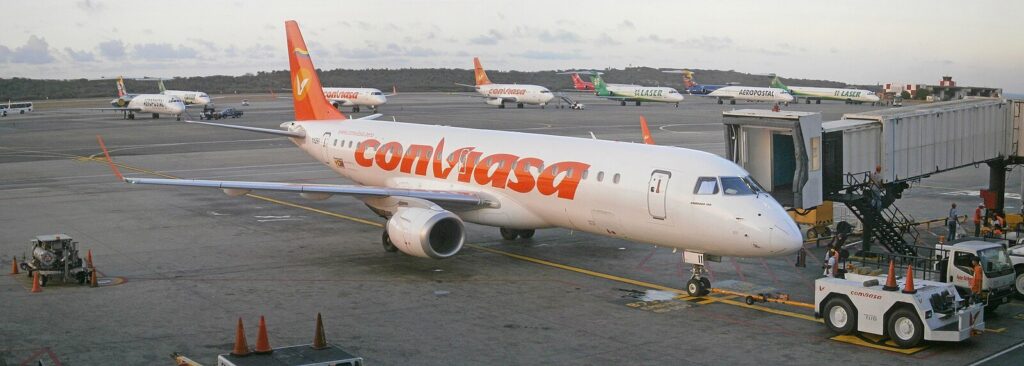
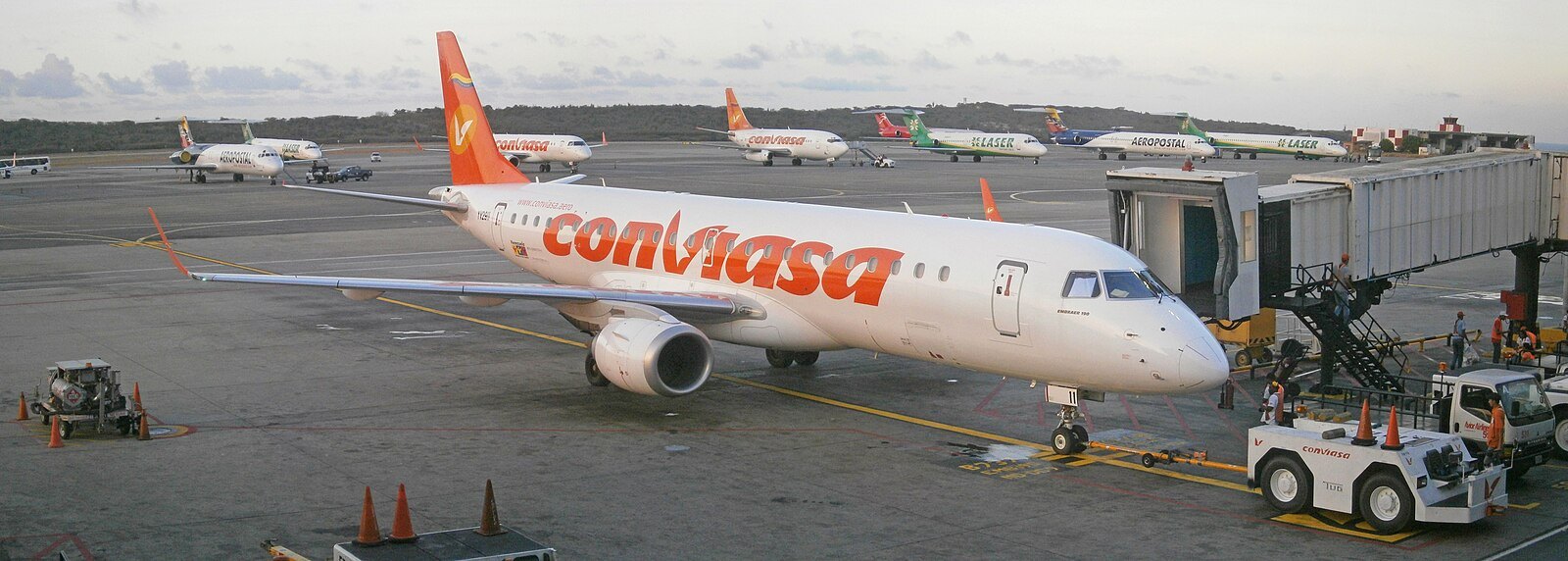
All incoming and outgoing flights were cancelled from 25 June. Restrictions were extended through July, with the airport limited to military, humanitarian and diplomatic operations. Commercial airlines moved what they could to Arturo Michelena International in Valencia, about two hours west of Caracas by road.
Where it stands now
- Cargo flights restarted on 5 August 2026. This was the first confirmed aviation milestone since the closure, and it matters because it means the repaired runway is certified and being used.
- Passenger flights are targeted from around 24 August, through temporary terminal facilities, starting at roughly eight commercial flights a day. That is a target, not a timetable that has already happened.
- Valencia has been absorbing the traffic in the meantime, and some carriers had committed to operating there into late August.
- Full rehabilitation is projected for December 2026, with an interim target of around 85% of pre-earthquake capacity.
Airlines reported as planning to return once the airport reopens include Copa, American, Avianca and United — the last with a new Houston route. Treat all of that as intention rather than schedule: routes to Caracas have been announced and pulled repeatedly for years, and that was true before the earthquake.
What it means for the trips people actually come for
The bottleneck is the international leg, not the domestic one — but the two are connected, and the connection is Caracas.
- Angel Falls and Canaima. There is no road. You fly in on a light aircraft, normally connecting through Caracas or Ciudad Bolívar. If your international arrival is at Valencia rather than Maiquetía, the domestic connection is a different problem — ask your operator to price and confirm it in writing before you pay.
- Mérida and the Andes. Reachable overland from most of the country, so the constraint is getting into Venezuela at all rather than getting to Mérida once you are in.
- Roraima. Starts at Santa Elena de Uairén, at the far southern end of the country. Long-haul entry plus a domestic flight or a very long drive. The least forgiving itinerary to plan against a moving airport date.
Is it safe to travel to Venezuela right now?
Separate question, and the airport reopening does not alter it. The risk picture is what it has been for years. The United States keeps Venezuela at Level 4, «Do Not Travel», and since December 2025 has advised US citizens in the country to leave; the US embassy in Caracas has not operated since 2019. The United Kingdom advises against all but essential travel, and against all travel near the Colombian border.
The practical consequence, which catches people out: most travel insurance voids cover entirely for a country under that kind of advisory. That is covered properly in is Venezuela safe to travel, and it is the part to read before you book anything.
If you are planning a trip anyway
- Do not buy anything non-refundable against a reopening date that has not happened yet.
- Confirm with the airline directly, not with a booking aggregator. Aggregators have been selling seats on routes that were not operating.
- Get your operator’s position in writing: what happens to your money if the airport date slips, and whether they can route you via Valencia.
- Build in slack. Eight flights a day into a temporary terminal is not a system with spare capacity, and a missed domestic connection in Venezuela is not easily rebooked.
- Check again close to departure. Twice: at booking and in the week before you fly.
Is the country «open»?
Partly, and unevenly. The honest summary as of mid-August 2026 is that the country never formally closed to visitors, but its main door has been shut since June and is being propped open again on a temporary frame. That is a very different thing from normal service, and it is worth being clear-eyed about which one you are planning around.
When the picture stabilises, the planning material is in travel in Venezuela and the best time to visit.