

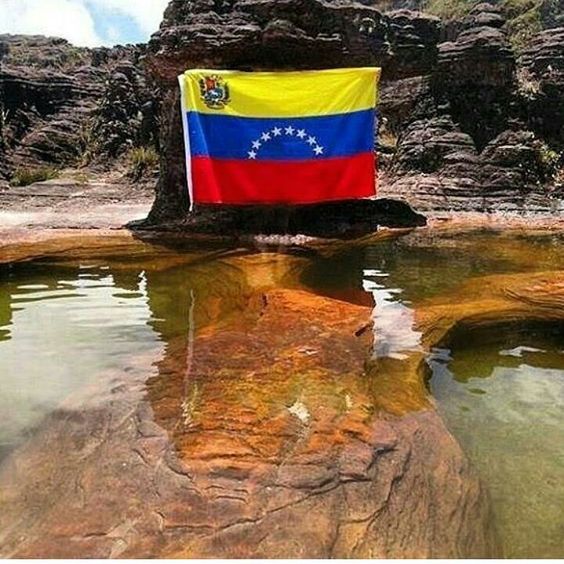
You don’t cover Venezuela in one trip. It holds four worlds that look nothing alike —Caribbean, Andes, Guayana and the plains— and they are far apart. This guide isn’t the catalogue of destinations: it is how you plan the trip. What to decide first, how much time to ask for, what combines with what, and what has to be sorted out before you buy anything.
If what you want is the map of destinations by region, it’s in the Venezuela hub. If you want a short list of what is worth the journey, it’s in the best places to visit in Venezuela.
The first decision: which landscape
Everything else follows from this one. The four regions demand different luggage, budget and logistics, and chaining two of them eats days in transit.
- Caribbean — islands, cays and reef. The easiest way into the country and the one that needs least organising. Start with islands of Venezuela or beaches of Venezuela.
- Andes — moorland, mountains and high villages, with ground above 4,000 metres. Natural base: Mérida.
- Guayana — tepuis, waterfalls and savannah. The most logistical trip and the most memorable: Canaima.
- Near Caracas — mountains and coast less than two hours from the capital, if the trip is short or a stopover: El Ávila.

How much time to ask for
- Under a week: one region only. The Caribbean if you want rest, the area around Caracas if it’s a work trip with spare days.
- Ten days: one region properly, or two if you accept two domestic flights and losing a day on each transfer.
- Two weeks or more: now Guayana and the Caribbean do fit, which is the combination with the most contrast.
Rule of thumb: moving between regions is counted in days, not hours. Each region hop costs roughly a full day.
How they combine
Three chains that work because they share a transport axis:
- Caribbean + Caribbean. Margarita or the Morrocoy cays with Mochima: mainland coast and island, without leaving the same sea.
- Caracas + mountains. El Ávila and Colonia Tovar on the same axis, dropping down to Choroní to finish on the beach.
- Guayana in full. La Gran Sabana by road and the Canaima lagoon by light aircraft are two different trips inside the same park: picking one is the norm.
When to go
The country is tropical and has no winter: what changes is the rain and the flow of the rivers, not the temperature. Two things that do make a difference:
- In Guayana, the season decides whether you see Angel Falls in full flow or nearly dry, and whether the rivers are navigable at all.
- In the Andes, altitude rules over the calendar: above 3,000 metres it is cold all year and drops sharply at night.
The coast works all year round. What does fill the beaches is Venezuelan school holidays, Easter week and the end-of-year festivities.
Getting around
Between regions, fly. The distances are long and some destinations —Canaima, Los Roques— are only reachable by air or sea.
Within a region, drive. A rental car or contracted transport; public transport doesn’t serve the natural destinations well.
The final stretch is almost always by boat or on foot. You reach the cays by local boat and climb the tepuis walking, and neither is improvised on the day.
Routes, frequencies and operators change: check the current ones before fixing dates.
With an operator or on your own
It depends on the region, and it isn’t a question of budget but of access.
The Caribbean is done independently without difficulty: there is accommodation, transport and boats you can hire as you go.
Guayana, in practice, is not. Permits, guides from the Pemón communities and the logistics of flights and camps are handled through specialist operators. Going independently there is possible and it is a great deal more work.
The Andes sit in between: the city and the villages are fine on your own, the high mountains need a guide.
The national parks, which are almost everything
A large part of what you visit in Venezuela sits inside protected land: there are 43 national parks and 36 natural monuments, adding up to 21.76% of the territory. That means access rules, restricted areas and, in some cases, permits or a compulsory guide.
It isn’t decorative bureaucracy: in the marine parks there are zones where you can neither anchor nor fish, and in Guayana there are approaches you can only do accompanied. The full picture is in national parks of Venezuela.
Before you book
The practical conditions of a trip to Venezuela —entry requirements, internal transport, means of payment and safety advice— depend on your nationality and on the situation at the time, and they change. Confirm them with an official source before buying anything: your own foreign ministry’s travel advice is the place to start.
And one that is stable: book the accommodation before the domestic flight. At the natural destinations the beds are few and they sell out before the seats do.
Where to go next
The map of destinations by region is in the Venezuela hub. The short selection of what is worth the trip is in the best places to visit in Venezuela. And the country’s mountains, in mountains of Venezuela.