

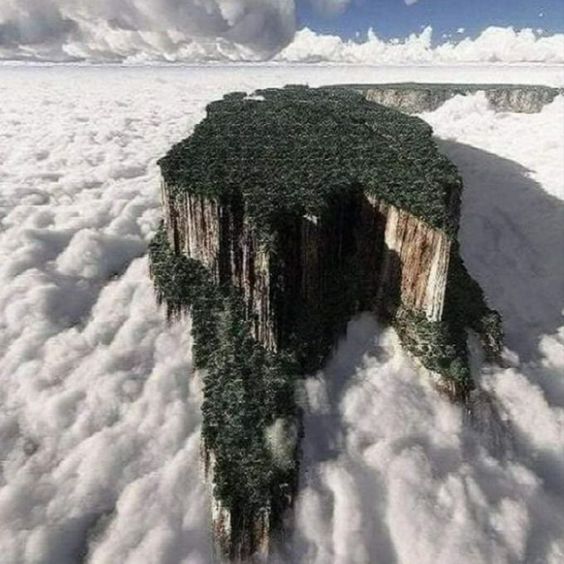
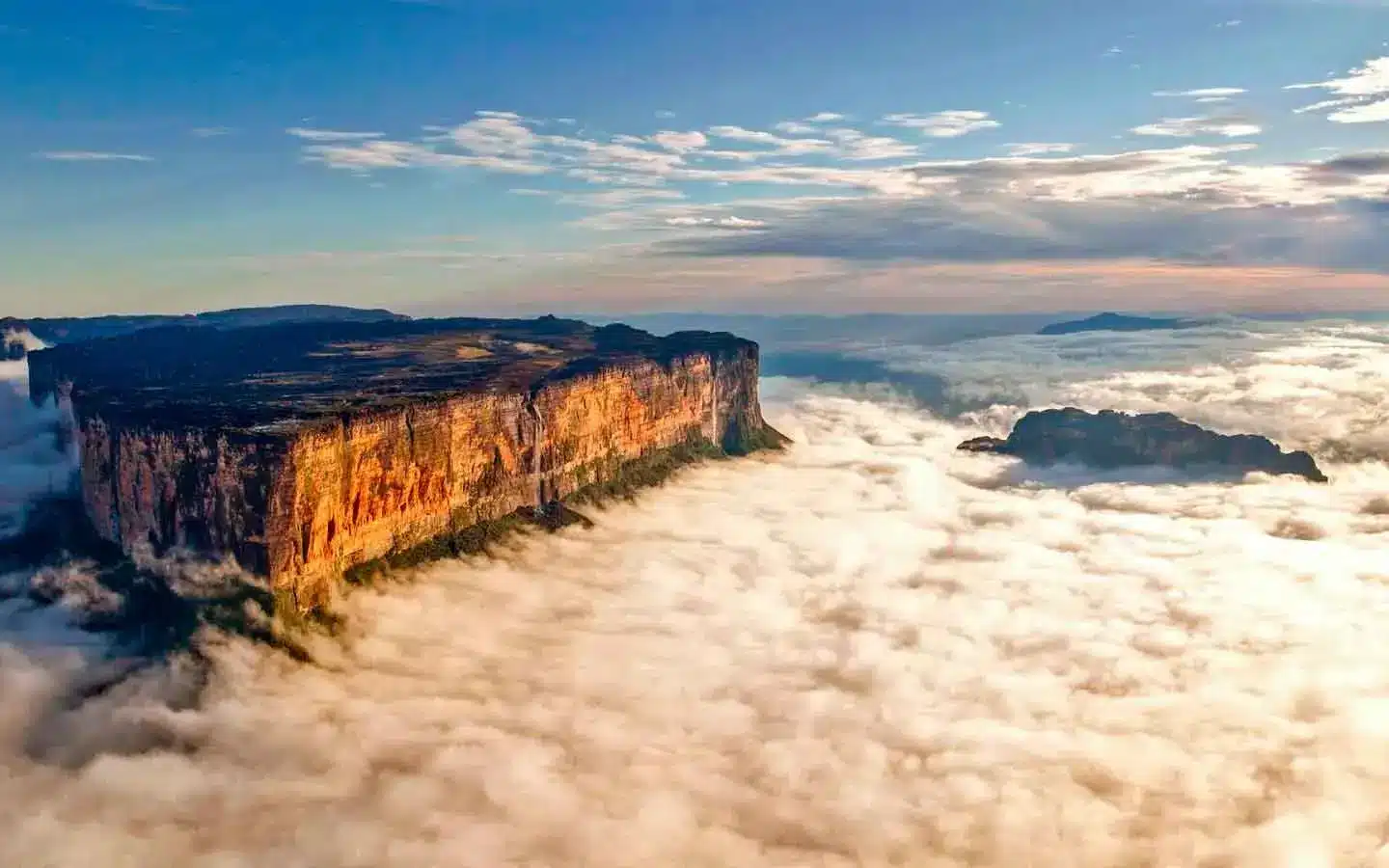
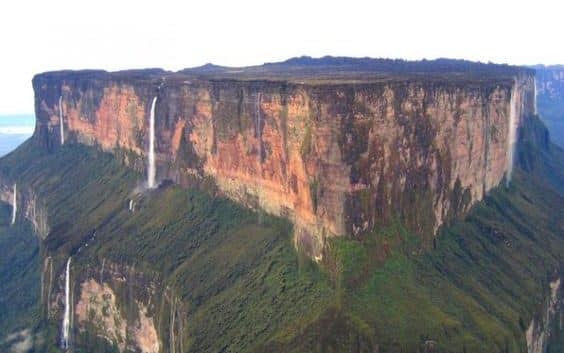
Roraima is a tepui of 2,810 metres with a flat summit of some 31 square kilometres and vertical walls on every side. It stands in La Gran Sabana, in Bolívar state, Venezuela, in the south-eastern sector of Canaima National Park, on the Guiana Shield.
It is the only tepui you can climb on foot, and that has made it the best-known trek in Venezuela. It is also worth saying plainly: this is a six to ten day expedition with camping, not a day out. This guide is here to tell you whether it is your trip before you commit to it.
What it actually is
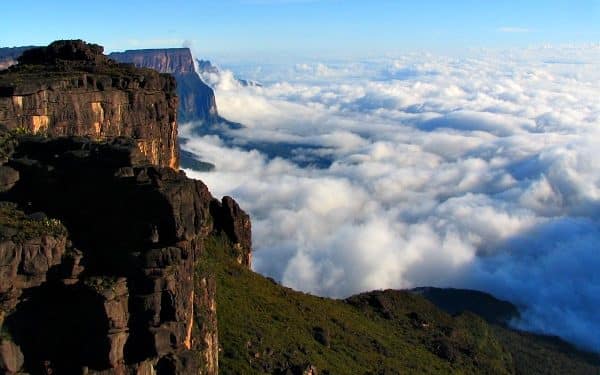
Tepuis are sandstone tables shaped by erosion over geological time. Roraima is among the oldest formations on Earth — figures of the order of two billion years are cited for it — and its summit has been isolated from the ground below for so long that it works as a biological island.
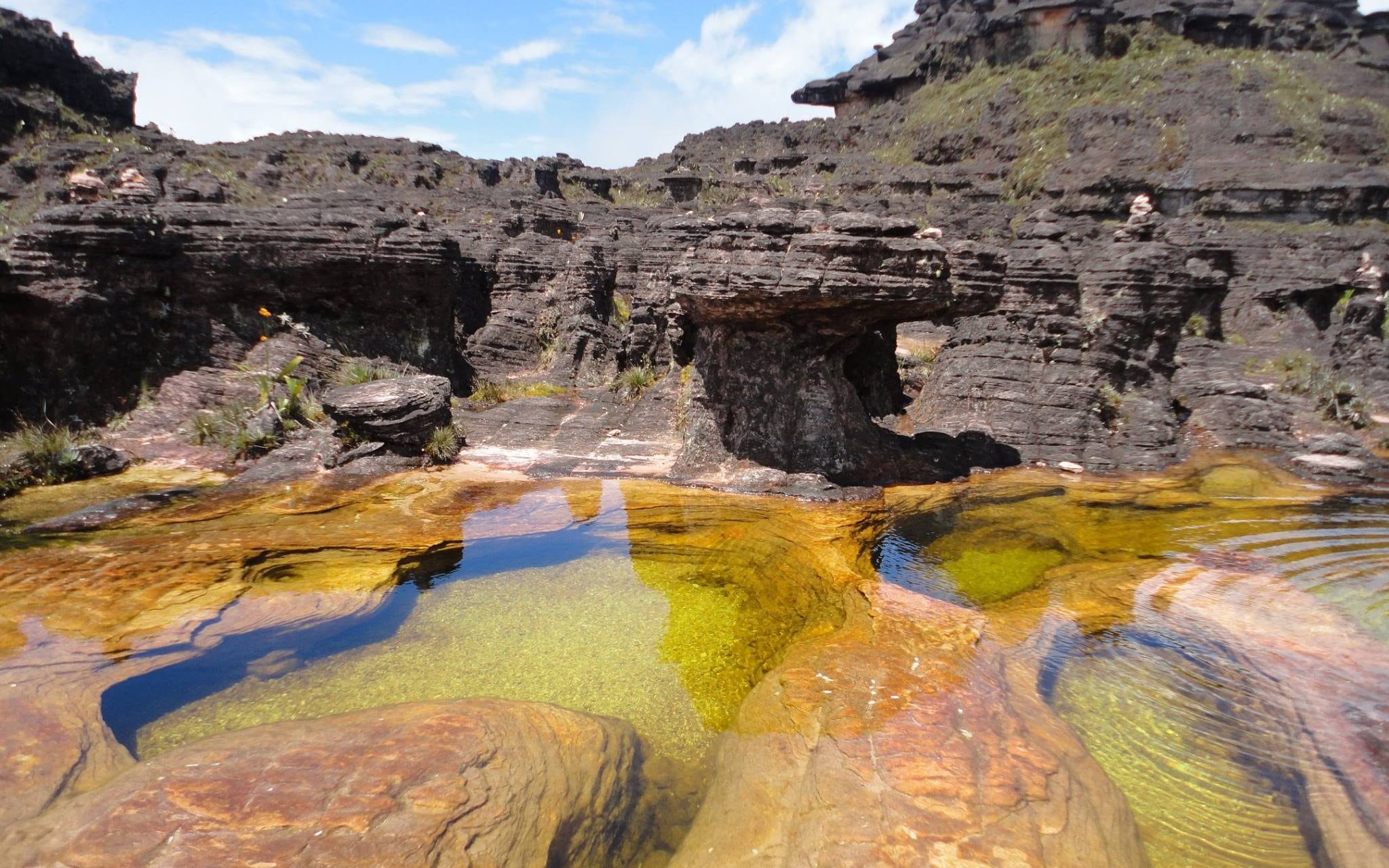
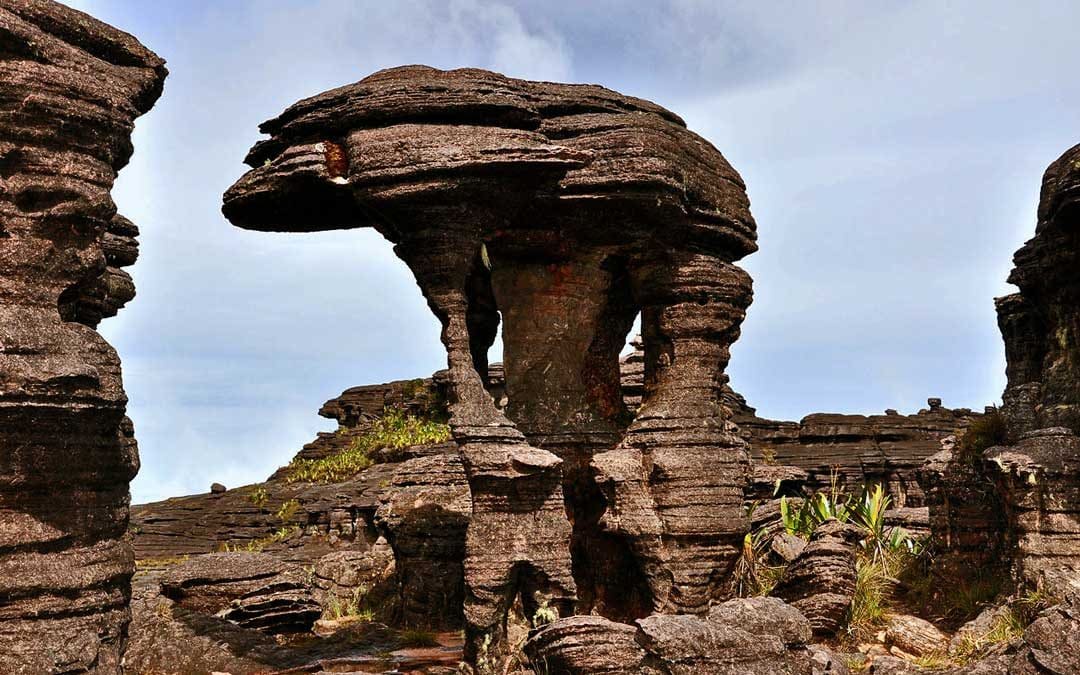
That explains the landscape up there: rock eroded into shapes that resemble nothing else, pools of water, and plants that do not exist at ground level.
What there is on top
The natural pools
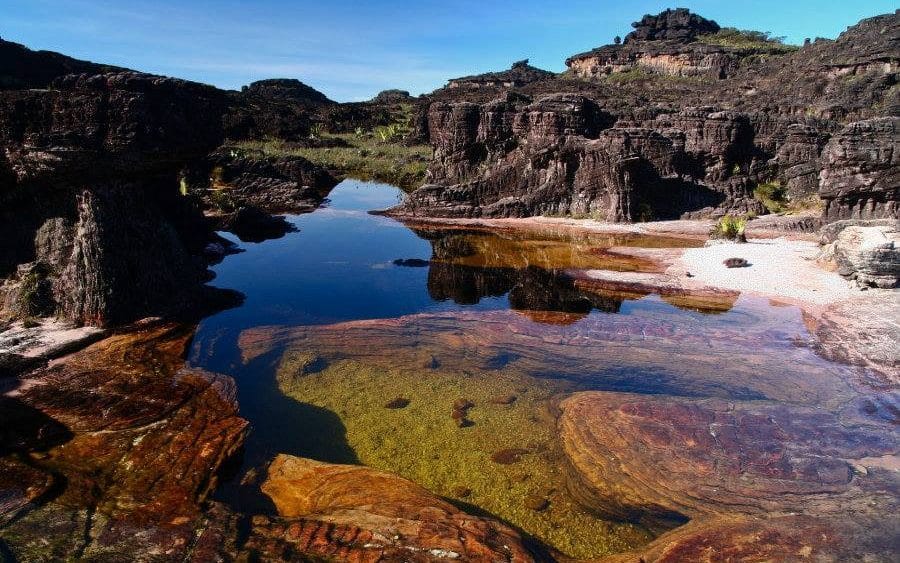
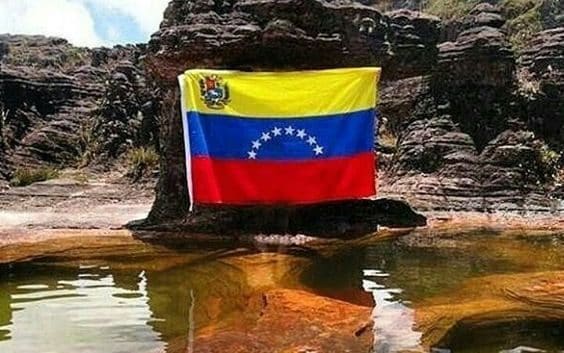
Rainwater and water filtered through the rock collect in the hollows of the plateau, forming small, clear pools. They are the reward stop of the crossing. The water is cold.
La Ventana
A natural opening cut into a rock wall, arch-shaped, which frames the savannah, the waterfalls and the other formations. It is the most photographed point on the summit.
It also carries its layer of story: in the tradition of the region’s peoples it is told as a passage between the human world and the world of the spirits.
Endemic plants and wildlife
Orchids, bromeliads and tree ferns adapted to poor soil, wind and constant rain. In wildlife, the example most often cited is the Roraima pebble toad, a tiny species that lives only on these summits and does not jump: it walks.
The Pemón
For the Pemón, Roraima is a sacred mountain, inhabited by spirits and central to their worldview. This is not cultural decoration on the trip: they are the people who guide the crossing, manage access and hold the knowledge of the ground.
The first documented expedition to the summit was led by the English explorer Everard im Thurn in 1884, with a team of Pemón guides. His accounts and illustrations are what made the tepui known outside the region.
The crossing: what it involves
The route runs across savannah, rivers and forest before the climb up the ramp that gives access to the plateau. Six to ten days depending on the itinerary, with nights in a tent, including one or more on the summit itself.
- Fitness. This is the entry requirement. Long days with a pack, cumulative ascent, several days in a row without a rest.
- Guide. Strongly recommended, and in practice the way the trip is organised: they know the route, the river crossings and the camp sites.
- Kit. Broken-in mountain boots, a solid pack, sleeping bag, mat, cooking gear, non-perishable food, map and compass. And clothes you are willing to get wet in: it rains up there.
- Permits and bookings. Entering the park and camping need authorisation. Sort it beforehand, not at the trailhead.
- Safety. The weather changes fast; leave your itinerary with someone and carry a first aid kit.
- Local rules. No rubbish — everything comes back down with you — and respect the signage and the instructions of the communities that manage access.
How to get there
The starting point is Santa Elena de Uairén, at the southern end of the country, and getting there is half the adventure.
By air. From Caracas — Simón Bolívar International, at Maiquetía — to Ciudad Bolívar (Tomás de Heres airport), about an hour. Alternatively, fly to Puerto Ordaz (Manuel Carlos Piar) and continue overland. From Ciudad Bolívar, another flight of roughly an hour to Santa Elena de Uairén.
Overland. Caracas to Ciudad Bolívar is around 10 hours by bus or car. Ciudad Bolívar to Santa Elena de Uairén, about 12 hours by bus or 8-9 driving. It is long, but it is the cheap way and it is the one that shows you the savannah on the way.
In Santa Elena there are agencies that organise the whole expedition. Choosing one with a track record is not a courtesy recommendation: the crossing is self-sufficient for days at a time.
Sleeping and eating
Before and after: simple accommodation in Santa Elena de Uairén, the base town for the expedition and where you do the last supply run.
During: tent or basic shelter at the camps along the route, inside the park.
For food, Santa Elena has restaurants with Venezuelan cooking — arepas, grilled meat, sancocho, empanadas. On the crossing, the expedition carries the food: if you are going with an agency, get in writing which meals are included. And water: carry enough and know where it can be refilled.
Who it is for
It is for people who walk regularly, sleep in a tent without drama and want a landscape with no equivalent. It is not for anyone after comfortable nature: for that there are the Canaima lagoon and Angel Falls, which you see by light aircraft and boat.
If the mountain interests you but the format does not, the other great summit in the country is Pico Bolívar, in the Andes. The context of the whole system is in the national parks of Venezuela.