

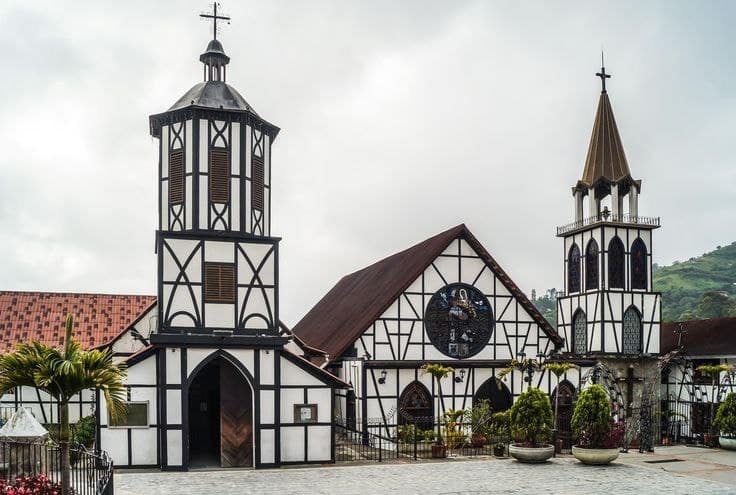
Colonia Tovar is a German village at 2,000 metres in the Cordillera de la Costa, Aragua state, about 65 kilometres south-west of Caracas. It was founded in 1843 by German settlers and it has kept the architecture, the cooking and much of the tradition they brought with them.
It is the classic weekend break for people from Caracas, and it works for one very concrete reason: in an hour and a half you go from the heat of the city to a cool mountain climate, with mist, timber and craft beer.
How a German village got here
In 1841 the government of José Antonio Páez promoted European immigration to develop the country’s agriculture. A group of German settlers accepted the invitation and arrived in 1843 in these Aragua mountains, on land connected to the Tovar family, which is where the colony’s name comes from.
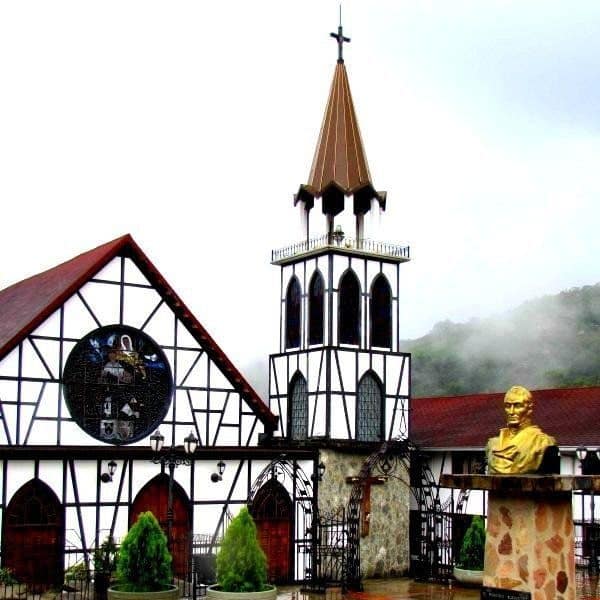
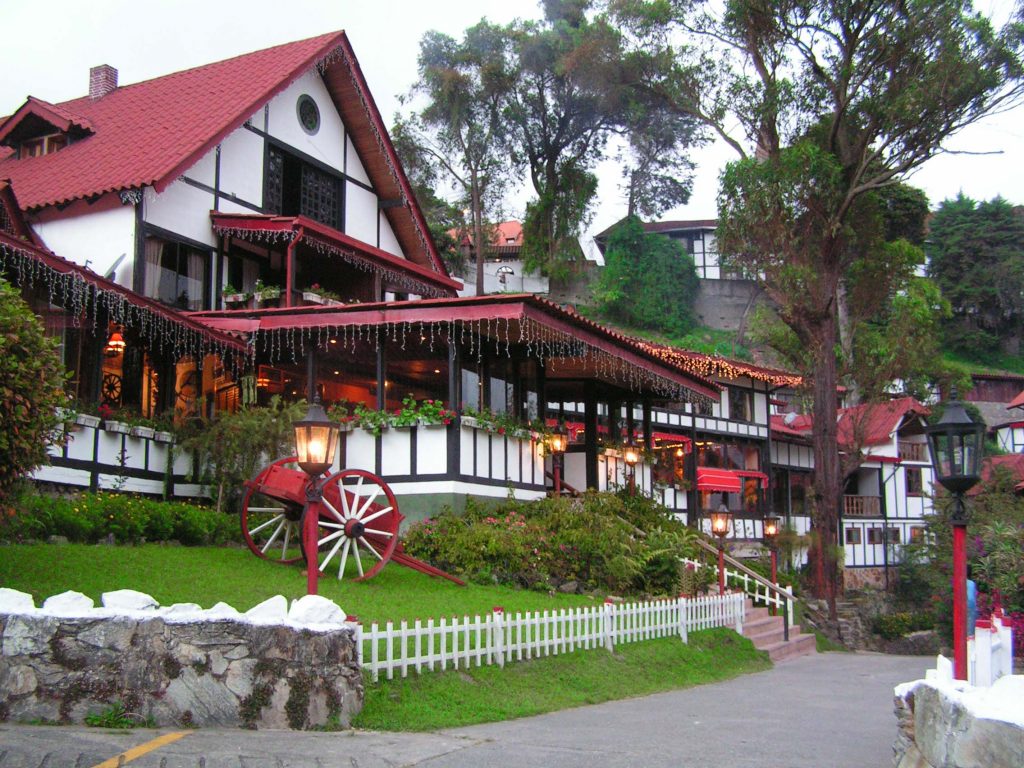
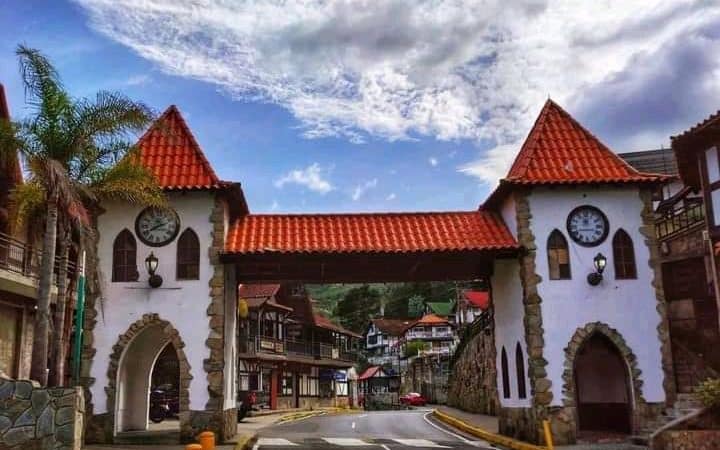
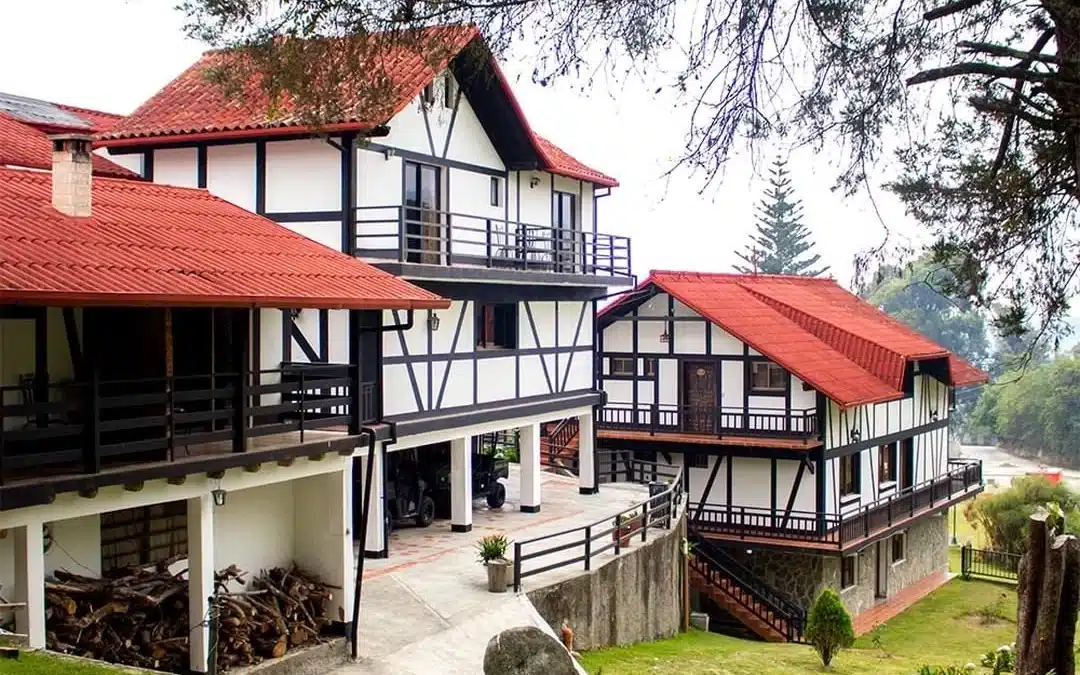
They brought their farming methods and turned the area into an agricultural centre: fruit, vegetables, flowers and dairy, which are still part of its economy today. They also built their houses the way they knew them — steep roofs, exposed timber, coloured façades and half-timbering — and that is the image that has come down to now.
Isolation did the rest: for more than a century the colony kept its language and customs with very little mixing. During the Second World War, part of the German population was interned by the Venezuelan government because of the tension with the Axis powers.
The climate, which is half the reason to go
At 2,000 metres, Colonia Tovar is cool all year with frequent rain. That is why the architecture is what it is: steep roofs for the water and timber for the cold. Take a jacket even if you leave Caracas in short sleeves.
What to see
- Plaza Bolívar and the main church: the centre of the village and the starting point of any walk.
- Alejandro Humboldt Museum, in an old colonial house, on the German naturalist and on the history and biodiversity of the region.
- Botanical garden, with paths among high-altitude species and views over the valley.
- The municipal market: fruit, vegetables, cheese, cured meat and crafts. This is where you buy things to take home.
- The viewpoints on the slope, with the panorama of the village and the mountains around it.
- La Ballestera, a waterfall surrounded by vegetation nearby.
- Henri Pittier National Park, a few kilometres away, with cloud forest, waterfalls and paths.
What to eat
This is the reason a lot of people come up. The cooking is German adapted to Venezuelan produce:
- Spätzle, the egg noodles, served with various sauces.
- Leberkäse, baked meat loaf, with mustard.
- Apfelstrudel, thin pastry filled with apple, raisins and walnuts.
- Farmhouse cheeses, among them queso blanco and queso de mano.
- Guava jam, which is where the mixture shows.
- Craft beer brewed to German tradition, in several styles.
Festivals
The calendar is the other big reason to pick a date:
- Oktoberfest, in October, with folk music and dancing, German food and beer. This is the big one.
- Christmas, with German-style decoration and lights, carols and performances.
- Holy Week, with processions.
- Patron saint festivals, with masses, processions and traditional dancing.
Traditional dress is still worn at the celebrations, and not as a prop for tourists: it is part of the village’s identity.
Outdoors
Hiking on the mountain and forest tracks, cycling — including mountain biking on marked routes — birdwatching, paragliding from the tops with a view over the valley, and picnics or barbecues in the designated areas.
Getting there
By car. From Caracas, the Autopista Regional del Centro to the La Victoria turn-off, then the road towards El Consejo and from there the climb to Colonia Tovar. About an hour and a half. The last section is mountain road, with bends.
By bus. From La Bandera terminal in Caracas, with regular departures. Around two hours.
On an organised trip. There are operators running from Caracas or Maracay with transport and a guided visit included.
Where to sleep
What there is amounts to small hotels, guesthouses and cabins, nearly all of it in the village or immediately around it, and much of it in the same alpine style as the local architecture. Self-contained cabins are what makes sense for a group or a family.
The village is small and it fills up: at weekends, on public holidays and above all during Oktoberfest you need to book ahead. Midweek you rarely need to.
Where to eat
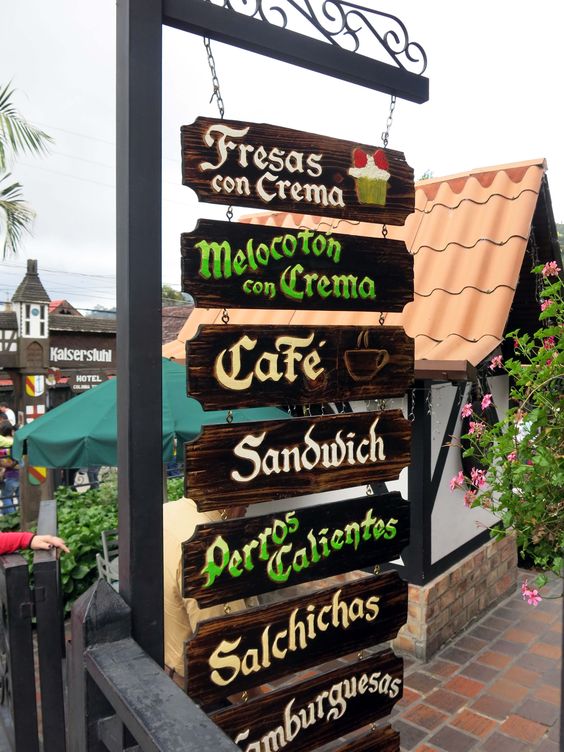
Eating is half the reason for the trip. The choice is concentrated on the main street and combines German mountain cooking — cured meat, pastries, cakes — with wider-menu restaurants, craft breweries and patisseries. Many open only at lunchtime and on a reduced midweek calendar: check before you go up if you plan to have dinner.
How it fits into a trip
Colonia Tovar is a day or a weekend, not more. It combines well with Henri Pittier and with the drop down to the Aragua coast: from the same axis you reach Choroní, which is exactly the opposite — heat, palm trees and sea — a few hours of road away.
The rest of the Venezuelan mountains are in mountains of Venezuela; the whole country, in travel in Venezuela.